
Imagine a digital helper that doesn’t just answer your questions, but actually goes and does the work. Agentic AI is exactly that: artificial intelligence with “agency” to make decisions and act on its own In simple terms, it’s like a smart assistant or virtual robot that can carry out multi-step tasks without needing a human to micromanage every move. IBM describes agentic AI as “an AI system that can accomplish a specific goal with limited supervision” – meaning it can plan ahead, adapt to changes, and work through a problem more or less independently.
“Agentic AI is an AI system that can accomplish a specific goal with limited supervision.” (ibm.com)
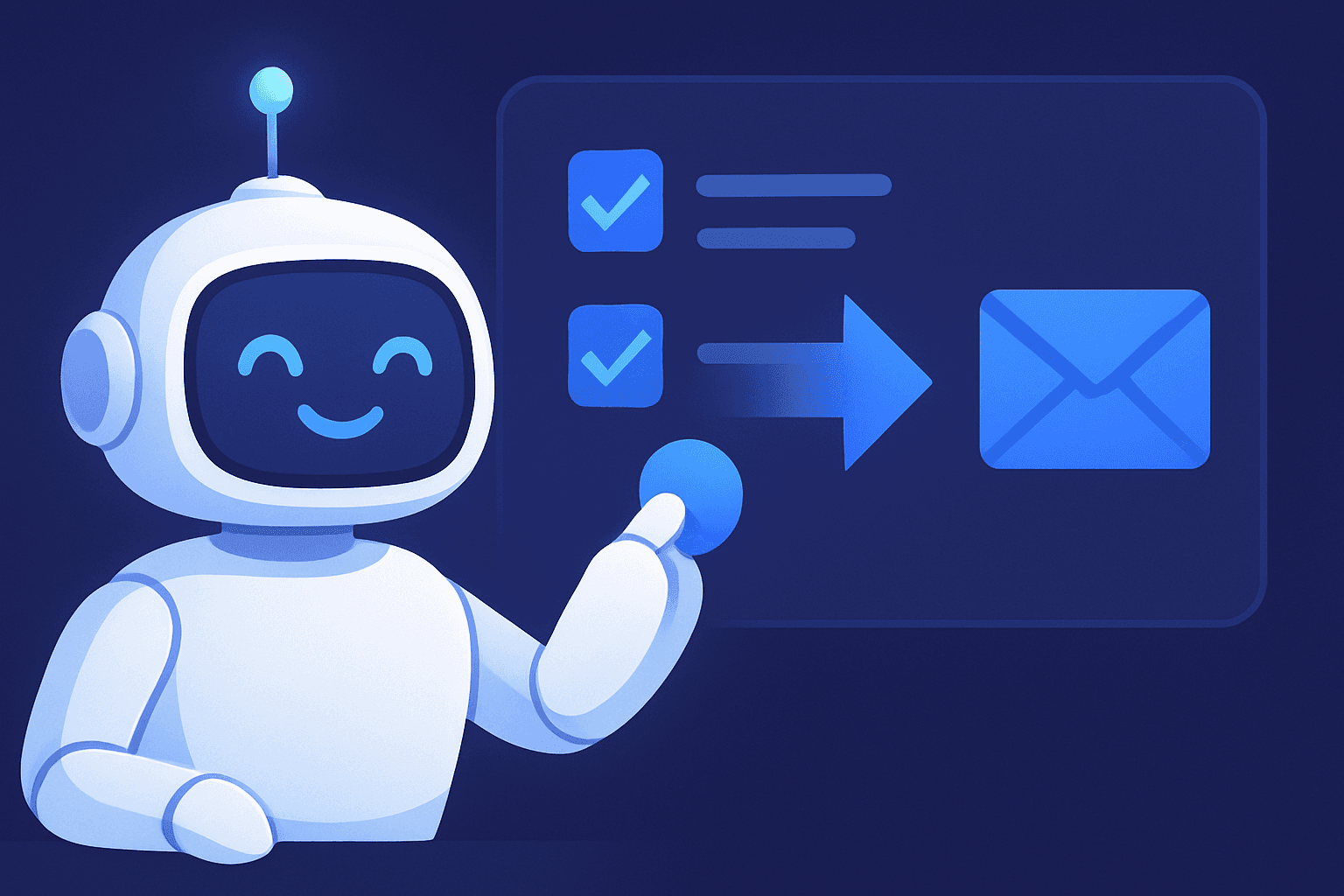
Think of agentic AI as your personal project manager. Instead of just generating ideas or answers (as many AI tools do today), an agentic AI takes those ideas and does something with them. For example, a standard chatbot might suggest a dinner recipe if you ask for one. An agentic AI assistant could actually order the ingredients, adjust your shopping list, and set a reminder for you to start cooking — all without further instructions. In practical terms, an agentic AI can use generated information to complete tasks. One IBM example explains that such an AI could tell you the best time to climb Mt. Everest and then book you a flight and a hotel automatically.
“Think: AI-powered agents that can plan your next trip overseas and make all the travel arrangements.” (hbr.org)
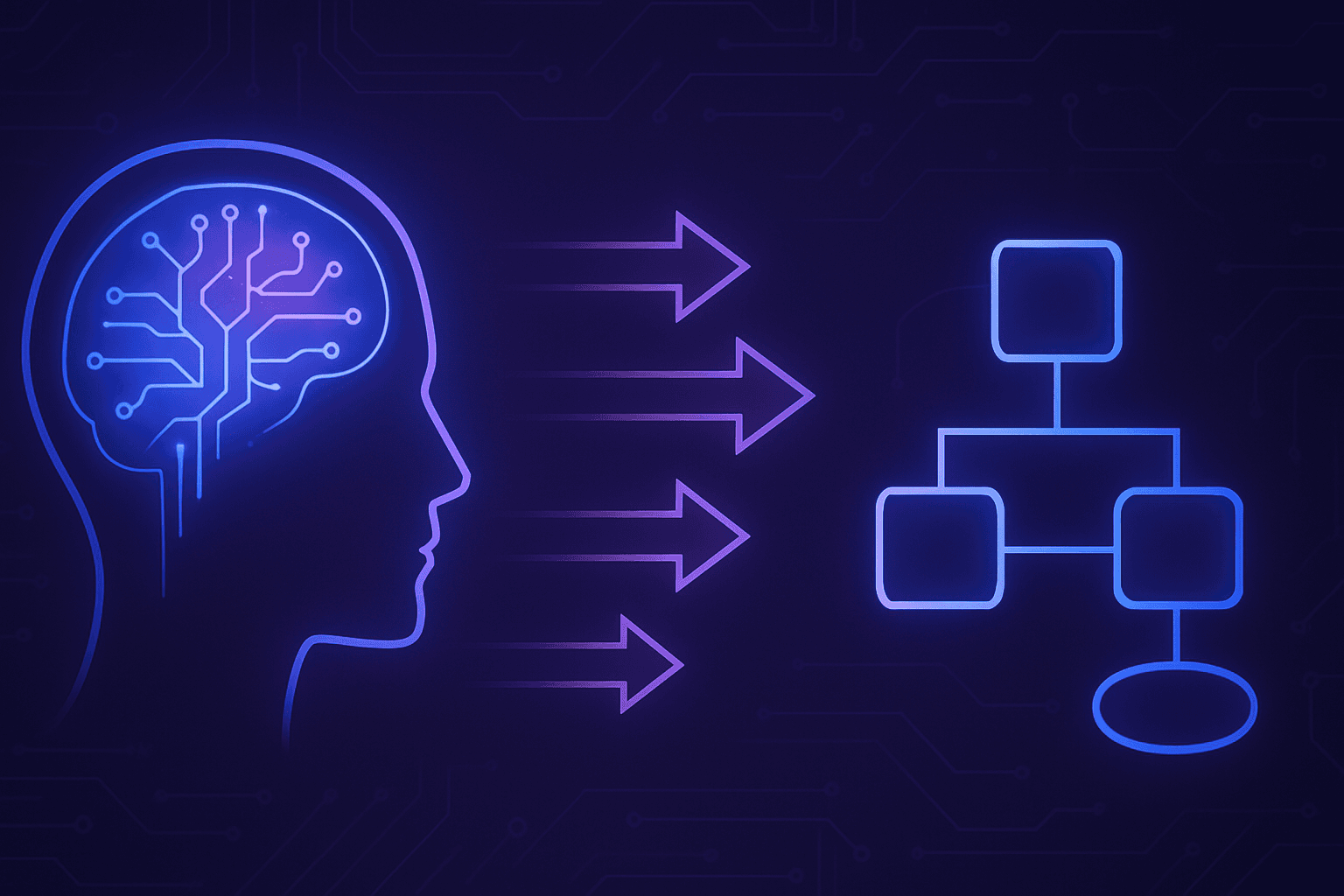
In short, agentic AI means giving AI systems the power to plan, decide, and act much like a human would. They perceive the situation, reason about what needs doing, take action by using tools or interfaces, and learn over time to improve. This is a leap beyond today’s AI chatbots or recommendation engines, which usually need step-by-step guidance. By contrast, an agentic system is designed to handle more of the thinking and doing on its own.
Why Does It Matter?
Agentic AI matters because it could transform how we work and live. Instead of manually juggling every detail, we could delegate whole projects to AI assistants. This promises big gains in efficiency and convenience for both people and businesses. For instance, imagine an AI that not only suggests meeting times but actually coordinates schedules, books conference rooms, and sends invites – all automatically. Or an AI in customer support that not only answers questions but also completes tasks like changing account settings or processing orders without a human agent.
Top tech trend. Experts say agentic AI is a hot topic for 2025. Research firm Forrester even named it a top emerging technology for this year. Big companies are investing in it because it could unlock new capabilities.
Streamlining work. Agentic AI can take on repetitive or complex tasks behind the scenes. For example, OpenAI highlights that its new agent-powered ChatGPT can automatically turn meeting screenshots into slides, rearrange calendars, or book events – tasks that normally eat up a lot of time.
Business impact. Companies expect agentic AI to boost productivity. Amazon is already forming teams to build agentic AI for its warehouse robots, aiming to make them “flexible, multi-talented assistants” that follow voice instructions and do more complex jobs. In finance, autonomous trading algorithms (like JPMorgan’s LOXM) already act as AI agents, buying and selling at high speeds based on market data.
Human control stays important. Even as AI becomes more independent, designers stress keeping people in charge. For example, ChatGPT’s agent mode will always ask you for permission before doing anything consequential and lets you interrupt it at any time. This means you stay in the loop, approving or stopping its actions as needed.
Overall, agentic AI matters because it represents a new level of automation – one where AI doesn’t just follow fixed rules or generate text on cue, but actively solves problems from start to finish. This could free us from mundane chores, let us focus on creative or strategic work, and enable entirely new services (like 24/7 personal shopping assistants or autonomous research aides).
Everyday Examples
Here are some relatable scenarios of agentic AI in action:
Personal Planning: Picture a travel agent in your phone. With agentic AI, you could tell it “plan a weekend trip to the mountains.” It would not only suggest destinations, but automatically search for hotels, book the flights, and even arrange a rental car. In fact, IBM gives this exact example: an agentic AI can decide the best time to climb Everest and book you a flight and hotel for that date. Or consider OpenAI’s new ChatGPT agent mode: it can actually browse websites, filter information, and carry out tasks like “plan and buy ingredients to make Japanese breakfast for four” or “analyze competitors and create a slide deck” on its own.
Autonomous Driving: Cars like Tesla’s Autopilot or Waymo use agent-like AI to navigate roads. These systems take in sensor data, make driving decisions, and control the vehicle without a human joystick. According to industry sources, self-driving cars use agentic AI to handle complex road scenarios. (In practice, today’s cars still require a human to supervise, but the goal is to create fully agentic self-driving vehicles.)
Warehouse Robots: In Amazon’s vast distribution centers, robots have long moved packages around. Now, Amazon is pushing further by adding language understanding and planning. They’re building AI agents so that a voice command like “prep that order for shipping” triggers a robot to locate, pick, pack, and label the item. As one report notes, Amazon is working on systems that can “hear, understand and act on natural language commands,” effectively turning warehouse bots into versatile assistants.
Customer Support: Imagine an AI that not only chats with you but also performs tasks. For example, instead of just telling a customer how to reset a password, an agentic support bot could reset it for them, update their account, and confirm the change – all via its own access to the backend systems. NVIDIA mentions how an agentic AI in customer service could check a user’s balance and suggest payment options, waiting for the user’s approval before finishing the transaction. In the real world, companies like Salesforce and Zendesk are already enhancing chatbots with more “agent-like” features.
Smart Home: Your house could have agents too. Picture a smart home AI that detects low milk levels and automatically orders more online, schedules a delivery, and adjusts your fridge settings – without you lifting a finger. Or a home cleaning robot that not only vacuums but also plans its cleaning schedule based on your calendar (e.g. delaying cleaning until after your party is over). These are simple forms of agentic behavior applied at home.
Software Development: Even coding is seeing agentic AI. Google DeepMind’s new project “AlphaEvolve” taught an AI agent to design algorithms. It came up with brand-new, efficient solutions for problems like scheduling data-center tasks and computer chip design – surpassing some methods humans had used for decades. In the future, agentic AI assistants might help programmers by writing large chunks of code, testing it, and fixing bugs on their own.
Each of these examples shares the same idea: the AI takes initiative to complete a goal, not just follow a script. It perceives information (e.g. your request, calendar, or surroundings), reasons out steps, acts on tools or interfaces, and learns for next time – all on its own.
What Comes Next?
Agentic AI is just starting, and the future looks busy. Major tech players and startups are racing to bring it into products and services:
ChatGPT and other assistants: OpenAI has already rolled out ChatGPT Agent mode. This lets ChatGPT “think and act” using a suite of tools (browsers, APIs, etc.) to follow through on tasks. Think of it as your digital assistant that can browse the web, log into apps, and perform actions without being told each click. Expect many apps to add agentic features – from email assistants that can file and reply to messages to finance apps that can automatically balance your spending.
Big Tech investments: Amazon launched a dedicated agentic AI team at its Lab126 (the same group behind Kindle and Echo) to build these capabilities into its hardware, especially robots. Even AWS (Amazon’s cloud arm) is betting big: an internal note said agentic AI could be “the next multi-billion business” for the company. Google’s DeepMind and Brain teams continue to push boundaries, teaching AI agents to solve harder problems and even “invent” new ideas. DeepMind researchers envision AI agents that eventually generate ingenious solutions to complex challenges, from scientific research to business strategy.
More everyday apps: Soon we’ll see agentic AI in smartphones and online services. A future calendar app might automatically handle your RSVPs and reservations. A fitness app could not only suggest a workout plan but also book a class at the gym and track your progress over time. In education, an agentic tutor might assign you practice quizzes and adjust future lessons based on how you did. In healthcare, an AI agent could remind patients to take medicine and alert doctors if something seems off. These are on the horizon as AI agents become smarter and integrate with more data sources.
Safety and control: Alongside innovation, there’s growing focus on safe design. Current agentic systems emphasize keeping humans in the loop. For example, ChatGPT’s agent asks for permission before taking any major action and allows you to stop it at any time. Researchers are also studying how to make sure AI agents respect rules and ethics. As these agents gain more autonomy, tools like monitoring, explicit constraints, and human oversight will be built in.
In summary, agentic AI is an exciting evolution of artificial intelligence: it’s where AI not only knows how to do things, but actually does them. You can think of it as moving from “talking to Siri” to “having a helper who walks the dog for you.” The building blocks are already here, with companies like OpenAI, Amazon, Google and others developing prototypes. As the technology matures, we’ll likely see more AI tools that plan, decide, and act in the background, freeing us up for more creative and human tasks.
Key Takeaways:
Agentic AI means giving AI the ability to set and achieve goals on its own – like a digital assistant that thinks and acts independently.
It’s poised to transform everyday tasks: booking travel, managing schedules, automating complex workflows, even driving cars.
Major players are already on board: OpenAI’s ChatGPT has an “agent mode” that can complete multi-step web tasks, Amazon is building smart robots that follow spoken instructions, and Google’s AI labs are creating agents that push beyond human ideas.
For users, agentic AI promises more convenience and productivity (your AI handles routine work for you). For businesses, it means faster processes and new services.
As it grows, safety measures keep humans in control, ensuring these autonomous agents act responsibly. The future of AI looks like much more than chat – it looks like action.
Sources: Reputable tech and AI research (e.g., IBM, NVIDIA, Harvard Business Review) and recent product announcements from OpenAI, Google DeepMind, Amazon, etc.